
São Martinho in Portugal
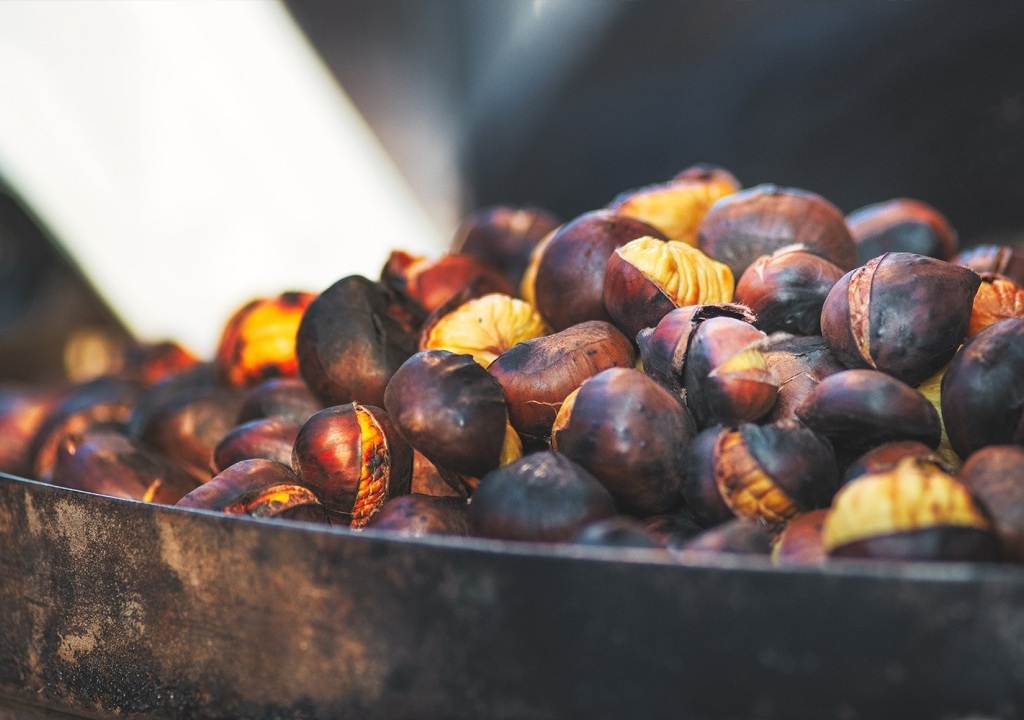
Every year, as November arrives and the days begin to grow colder, a familiar tradition takes place across Portugal: families and friends gather around roasted chestnuts, celebrate Magusto and enjoy some of the last mild days of autumn.
Saint Martin’s Day, celebrated on 11 November, is one of the best-known traditions in the Portuguese popular calendar. But behind the chestnuts, bonfires and traditional sayings lies a story that goes back centuries, along with a few interesting details that many people may not know.
The Legend of the Cloak and the São Martinho’s Summer
According to tradition, on a cold and rainy day, Martinho was travelling on horseback when he came across a poor man suffering from the cold.
With no other way to help him, the soldier took his sword, cut his own cloak in half and gave one part to the man so that he could protect himself from the cold.
According to the legend, shortly afterwards, the storm passed and the sky cleared, bringing several days of sunshine and milder temperatures.
This story gave rise to the expression São Martinho’s Summer, used to describe the occasional spell of warm, sunny weather that can appear in November, after the arrival of colder and rainier days.
Although the legend has a religious and symbolic meaning, this weather phenomenon is a natural occurrence and does not necessarily happen every year.
The Origins of Magusto: Why Do We Eat Chestnuts on São Martinho’s Day?
In Portugal, talking about São Martinho’s Day almost inevitably means talking about roasted chestnuts. But have you ever wondered why this fruit became so closely associated with 11 November?
The connection between Magusto and São Martinho comes from a combination of old folk customs, agricultural traditions and celebrations linked to autumn.
One commonly cited explanation connects Magusto to ancient All Saints’ Day celebrations and customs of remembering deceased family members. In some regions, it was customary to light bonfires and prepare chestnuts to share, a tradition that gradually evolved and eventually became associated with Saint Martin’s Day.
The time of year also helps explain this connection. November coincides with the chestnut harvest, a fruit that played an important role in the diet of many communities for centuries, particularly in northern Portugal and inland regions.
Before potatoes became such a common food, chestnuts were an important part of the diet in many communities, sometimes serving as an alternative to other carbohydrate-rich foods.
Magusto is therefore more than a tradition associated with a religious date. It is also a celebration deeply connected to the natural cycles of the year, seasonal harvests and the customs of rural communities.
Over time, the tradition of roasting chestnuts and gathering around a bonfire became firmly established in Portugal’s popular calendar. Today, it remains one of the most recognisable symbols of São Martinho’s Day.
What Is Magusto and How Is It Celebrated?
Magusto is a traditional Portuguese celebration associated with São Martinho’s Day. It is a time for families, friends and communities to come together, share chestnuts and celebrate the arrival of autumn.
The way it is celebrated varies from region to region, but certain elements remain familiar: roasted or boiled chestnuts, bonfires and, among adults, traditional drinks such as água-pé, jeropiga and new wine.
Many towns and villages organise public Magusto celebrations, with music, social gatherings and freshly roasted chestnuts. In other places, the tradition is observed more simply, at home or among friends.
More than just a meal or a celebration, Magusto represents a tradition of sharing that continues to be passed down from generation to generation.
Chestnuts, Água-Pé and New Wine: The Flavours of Tradition
Chestnuts are undoubtedly the main attraction of São Martinho’s Day. Roasted over a bonfire, prepared in a traditional chestnut roaster or cooked at home, they are an essential part of this celebration.
However, other flavours are also closely associated with the occasion.
Água-pé is a traditional drink made using water from washing grape pomace, while jeropiga is a sweet drink produced by adding grape spirit to grape must, stopping the fermentation process.
New wine also takes centre stage at this time of year, giving rise to one of Portugal’s best-known traditional sayings:
“On São Martinho’s Day, go to the wine cellar and taste the wine.”
This saying perfectly captures the spirit of the season: celebrating the new harvest, enjoying seasonal produce and bringing people together around the table.
A Tradition That Lives On
Despite changes in lifestyles and the pace of everyday life, São Martinho’s Day remains one of Portugal’s most cherished popular traditions. Every year, November brings back the smell of roasted chestnuts, gatherings around bonfires and traditional sayings that are part of the country’s collective memory.
In Braga and throughout the Minho region, these traditions remain part of the local cultural identity, reminding us of the importance of shared moments and customs passed down from one generation to the next.
At Carlo Monteiro, we believe that getting to know a city also means discovering its traditions, history and the little things that make each place special.
Because sometimes, it is these simple moments that truly make us feel at home.
02 from November from 2026
Carlo MonteiroCEO
History, Legend and the Tradition of Magusto


* Call to national mobile network.